
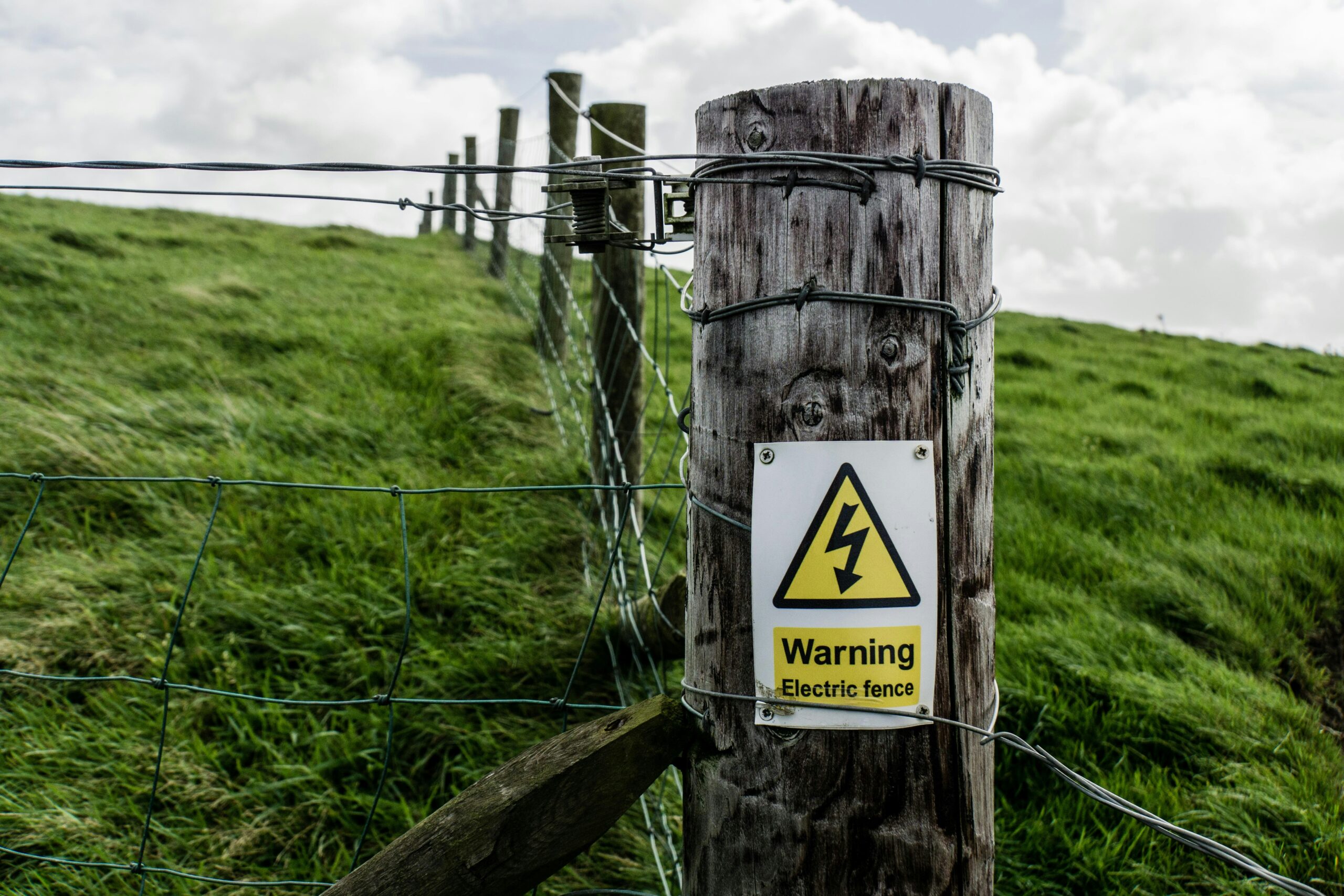
An electric fence is only as good as the charger powering it. An undersized or failing energizer produces a weak pulse, and animals learn that fast. Once they figure out the fence is not delivering, you have lost the deterrent that makes electric fencing work in the first place.
This guide covers what matters when choosing a charger: power source, joule output, and matching the unit to your fence length, livestock type, and weed load. It also covers specific models from Zareba and Gallagher, two brands with solid track records and high buyer ratings on Amazon.
What to Know Before You Buy
Joules, Not Miles
Manufacturers market chargers by mile coverage, but joules tell you what a charger can do. A joule is a unit of energy, specifically the energy delivered in each pulse through the fence wire.
Two figures appear on most spec sheets:
Stored joules: total energy charged before each pulse. The larger number, and the one most marketing materials lead with.
Output joules: energy delivered to the fence wire. This is the number that matters for performance.
For small livestock such as goats, sheep, chickens, and pigs, 0.5 to 1 joule of output is generally sufficient under clean conditions. For cattle and horses, 1 to 2 joules is a more reliable starting point. For larger perimeters, heavy weed pressure, or multiple animal types, size up accordingly.
Mile Ratings Are Best-Case Numbers
Manufacturers rate chargers based on clean, dry, single-strand steel wire with no vegetation contact. Real-world conditions reduce that range significantly. Industry guidance consistently notes that actual effective range is typically 50 to 70 percent of the clean-fence rating once you account for weed load, wire type, multiple strands, and soil conditions.
A practical approach: buy a charger rated for roughly twice your actual fence distance. That headroom keeps the fence hot under vegetation load and as your fence system grows.
Power Source Options
AC (plug-in): Most reliable and consistent output. Requires proximity to a power source. Best for permanent installations near a barn or building.
Solar: Suitable for remote pastures without electrical access. Output varies with sun exposure and cloud cover. Better solar units include battery storage to maintain power through low-light periods. Gallagher’s lithium battery technology is notable here. Their solar units are rated to hold power for up to three weeks without sun.
Battery (DC): Portable and flexible. Useful for temporary fencing and rotational grazing setups. Battery life on most 12-volt units runs four to five weeks under normal conditions. Battery not usually included.
Low Impedance Matters
Low impedance chargers maintain effective output even when vegetation is grounding the wire. For any property with grass or weeds along the fence line, which is most properties, low impedance is worth the premium over a standard charger.
Recommended Chargers
For Permanent Fencing Near Power: Zareba EAC10M-Z
The Zareba 10-mile AC charger is a practical entry point for permanent small farm fencing. It delivers 0.5 output joules at up to 10,500 volts, handles cattle, horses, pigs, goats, and smaller livestock, and plugs into any standard two-prong outlet. Buyer feedback consistently describes it as reliable for small to mid-sized operations. Built in the USA with a one-year warranty including lightning damage.
Zareba 10 Mile AC-Powered Low Impedance Electric Fence Charger, 0.5J, EAC10M-Z
For Larger Perimeters or Heavy Weed Conditions: Zareba EAC50M-Z
The 50-mile Zareba steps up to 2 output joules and is built to push through heavy vegetation where lower-output chargers lose effectiveness. Rated up to 50 miles in ideal conditions, 25 miles in light weeds, and 12 miles in heavy weeds. That real-world range data in the specs is worth noting. Fuseless design, moisture-resistant internals, and a rugged weather-resistant cabinet. Built in the USA, two-year warranty extendable to three years with registration.
Zareba 50 Mile AC-Powered Low Impedance Electric Fence Charger, 2J, EAC50M-Z
For Remote Pastures Without Power: Gallagher S100
The Gallagher S100 is the most recommended solar charger in this category for a reason. It delivers 1.0 stored joule, covers up to 30 miles on a single wire or 8 miles on a multi-wire perimeter, and runs up to three weeks without sun using its built-in battery. The programmable pulse modes allow faster pulsing during daytime when animals are active and reduced pulsing overnight to extend battery life, useful for remote setups. Comes with solar battery and lead sets. Three-year manufacturer warranty.
Gallagher S100 Solar Electric Fence Charger, 1.0J, 30 miles / 100 acres
For Rotational Grazing and Temporary Fencing: Gallagher S30
The S30 is a portable lithium solar unit designed specifically for rotational grazing and temporary setups where you need to move the charger between paddocks. It covers up to 4 miles of typical multi-wire fencing, handles cattle, horses, and goats, and runs on a rechargeable lithium battery that performs better in cold weather than standard lead-acid designs. Compact enough to carry by hand, built tough enough for regular field use. Three-year warranty backed by U.S.-based support in Kansas City.
Gallagher S30 Solar Electric Fence Charger, Lithium Battery, 4 mile typical range
For Remote Locations Without Reliable Sun: Zareba EDC25M-Z
Where solar is not practical: shaded locations, heavily wooded properties, or regions with extended cloudy periods, the Zareba 25-mile battery-operated unit runs on a 12-volt battery and delivers the same 2-joule low impedance output as the AC version. Battery life is approximately four to five weeks. Fuseless design, indicator light, and a weather-resistant case. Made in the USA with a three-year warranty when registered.
Zareba 25 Mile Battery Operated Low Impedance Electric Fence Charger, 1J, EDC25M-Z
What You Need Beyond the Charger
A charger is one component. The full system also requires:
Ground rods. Proper grounding is the most common reason electric fences underperform. A general guideline is 3 feet of ground rod for every joule of charger output. A 2-joule charger typically requires at least 6 feet of ground rod installed in moist soil.
Fence wire. 17-gauge galvanized steel is the standard for permanent livestock fencing. Polywire and polytape work for temporary and rotational setups but reduce effective range.
Insulators. Required wherever the wire contacts a post. T-post clip insulators are the most common for permanent fencing.
A fence tester. The Zareba Digital Electric Fence Tester covered in our spring planning guide is the practical tool for diagnosing problems anywhere along the line. Check your fence regularly. Animals learn faster than most people expect when voltage drops.
Unsure About Size?
If you are unsure which charger fits your setup best, the rule of thumb from fence manufacturers and extension resources is to buy more charger than you think you need. A charger running at 60 percent of its rated capacity handles load, additional wire runs, and future fence expansion without losing effectiveness. A charger running at its limit leaves no margin for any of those variables.
Check fence voltage regularly with a tester. A charger that reads weak is worth addressing immediately. Identifying whether the problem is the charger, the grounding, or a fault in the wire takes minutes with the right tester and hours without one.
Links may be added or updated over time. They do not affect how products are selected or discussed.
Affiliate Disclosure This article may contain affiliate links. If you buy through one of those links, Working Acre may earn a small commission at no extra cost to you. Product mentions are based on usefulness, fit, and relevance to the topic.