
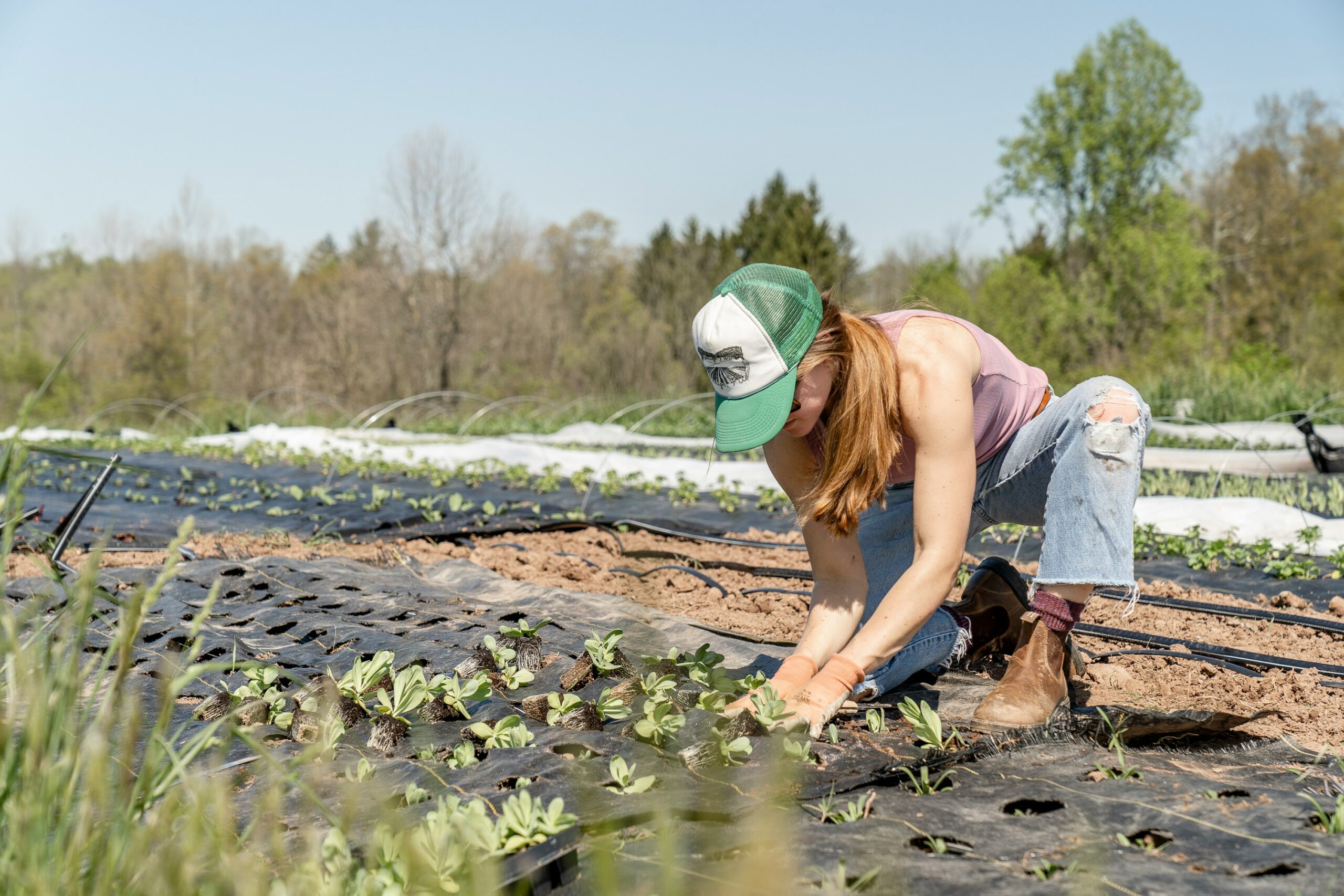
Spring has defined planting windows. Miss them and you are either planting late, switching to a crop that fits the remaining season, or waiting until next year.
Here is what needs to happen in spring, in roughly the right order, across most growing regions in the country.
Soil Temperature Comes Before Everything
Plant too early and you risk losing transplants to a late frost or stunting root development in cold soil. Either way you are behind before the season starts. Air temperature is not the reliable indicator. Soil temperature is.
Michigan State University Extension has been consistent on this point for years, and it applies regardless of where you farm. Cool-season crops such as lettuce, spinach, kale, carrots, and onions germinate best once soil temperatures reach 55 degrees Fahrenheit or warmer. Warm-season crops, including tomatoes, peppers, squash, cucumbers, and corn, need soil temperatures of 75 degrees or warmer to establish properly.
Planting warm-season crops into cold soil does not just slow germination. It can damage root development and cause nutrient deficiencies that set plants back for the rest of the season. MSU tracks current soil temperatures across Michigan through their Enviroweather tool. Most land-grant university extension programs publish similar tools for their own states. Worth finding the one for your region and bookmarking it.
Frost dates matter too, but they are averages, not guarantees. Plan around your last average frost date, protect transplants for two weeks after it, and keep row covers on hand until nighttime temperatures are consistently above freezing.
Test Your Soil Before You Amend It
Applying lime, fertilizer, or compost without knowing your soil’s baseline is guesswork. pH that is too high or too low locks out nutrients regardless of how much you add. A soil test tells you what you are working with before you spend money on amendments that may not be what your land needs.
For a fast field reading, the Luster Leaf Rapitest kit checks pH, nitrogen, phosphorus, and potassium in about fifteen minutes. It is not laboratory precision, but it is accurate enough to tell you whether you need to lime or acidify before you plant.
If you are establishing new beds, seeding pasture, or trying to understand why a section of your land underperforms, the MySoil mail-in test returns a full 13-nutrient panel with specific amendment recommendations for whatever you plan to grow. Worth doing once on any ground you are committing to long term.
If you tested last fall and applied amendments, test again this spring before adding more. Soil chemistry shifts over winter, especially after a wet one.
Equipment Check Before the Season Starts
The worst time to find out something is broken is when you need it.
Tractor: Check hydraulic fluid, grease all fittings, verify three-point hitch and PTO operation. If you changed the oil in fall before storage, you are ahead. If not, change it now before you put hours on it.
Rotary cutter: Inspect blades for wear and cracks. Check the slip clutch. It should engage freely and release cleanly. A slip clutch that does not release properly will damage your gearbox when the blades hit something solid, and they will hit something solid.
Tiller: Check tines for wear, verify belt tension, and confirm depth control operates correctly before you put it in the ground.
Small engines: Chainsaws, string trimmers, and walk-behind equipment that sat through winter need fresh fuel or stabilizer burned out of the system, spark plugs checked, and air filters cleaned. Ten minutes of attention per machine prevents a half-day of troubleshooting in May.
For a full tractor maintenance overview, see our guide to compact tractor attachments and first-year ownership.
Fencing and Water: Fix It Before You Need It
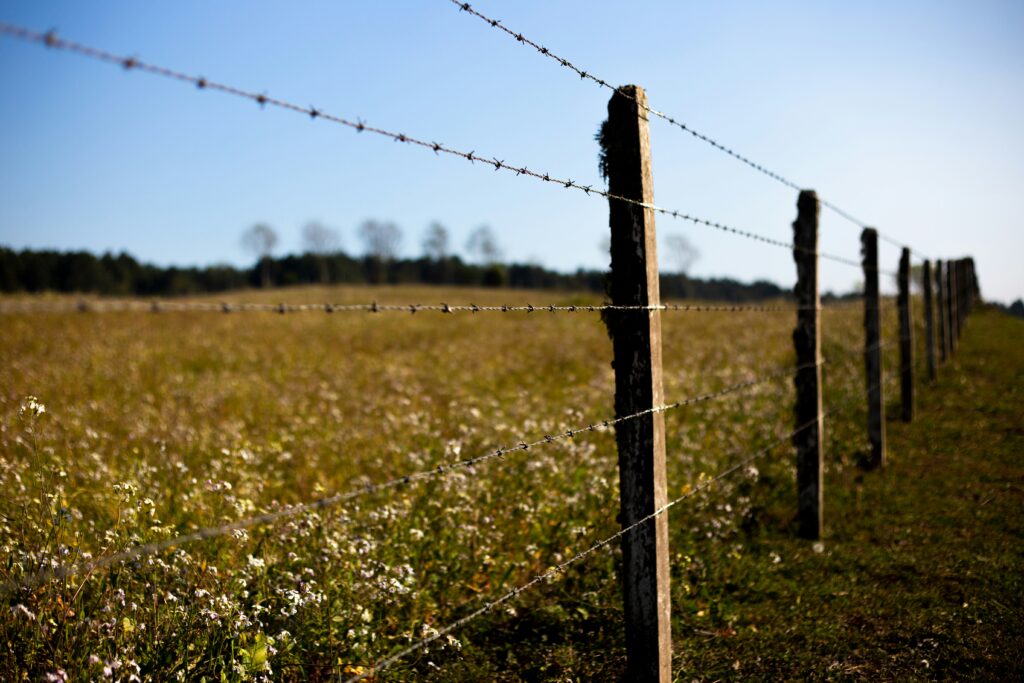
Walk your fence lines before you put animals on spring pasture. Winter is hard on fencing. Posts heave in frozen ground, wire loosens, and electric fence components corrode or fail over cold months. Finding a gap after an animal gets through it is a worse morning than spending an hour on inspection before turnout.
Check your electric fence charger output with a fence tester. A charger that reads weak is not doing its job. Animals learn fast when the fence is not delivering. The Zareba Digital Electric Fence Tester is a straightforward, well-reviewed option that reads voltage accurately and fits in a shirt pocket.
Water access deserves the same attention. Clean and inspect stock tanks before animals go back on pasture. Check float valves on automatic waterers. If you ran heated buckets or tank heaters through winter, inspect cords and heating elements for damage before storing them until fall.
Planting Sequence: Cool Season First
Once soil temperatures are where they need to be, cool-season crops go in first. Lettuce, spinach, kale, onions, beets, carrots, and radishes can handle a light frost and benefit from the cooler early-season temperatures.
Start warm-season transplants indoors approximately four to six weeks before your expected outdoor planting date, depending on the crop. Harden them off by setting them outdoors in a sheltered spot for seven to ten days before transplanting. Skipping the hardening-off step is one of the most common reasons transplants struggle in their first two weeks in the ground. They go from a controlled indoor environment to full sun, wind, and variable temperatures without any transition.
Keep row covers on hand through the transition period and any time a late frost threatens. A reputable Blanket Plant Cover is widely used in this category. It is light enough to lay directly over plants without hoops, allows 85 percent light transmission, and provides up to 4 degrees of frost protection. Reusable for two to three seasons if stored dry.
For succession planting, get your second round of cool-season seeds in two weeks after the first. Spreading out plantings extends your harvest window and avoids the glut-then-nothing cycle.
Pasture and Livestock
Do not turn animals onto spring pasture too early. A common recommendation is to wait until grass reaches six to eight inches before grazing begins. Putting animals on too soon when root systems are still establishing weakens the stand and can lead to overgrazing problems through the season. Consult your local extension office for guidance specific to your grass species and region.
Once grazing starts, move animals before they graze a paddock below three to four inches. Rotational grazing requires more frequent moves than most people expect when starting out. The rest period between grazings is what keeps the pasture productive through summer.
Before Summer Hits
Get the soil tested, the equipment serviced, and the fence lines walked before you need any of them. The work you do in April is what makes June all the more manageable. Most of these tasks take a couple of hours or less. The ones that reveal a problem are worth every minute.
This is part of Working Acre’s seasonal planning series. Summer, fall, and winter guides are coming. Bookmark this page or sign up for updates so you do not miss them.
Links may be added or updated over time. They do not affect how products are selected or discussed.
Affiliate Disclosure This article may contain affiliate links. If you buy through one of those links, Working Acre may earn a small commission at no extra cost to you. Product mentions are based on usefulness, fit, and relevance to the topic.