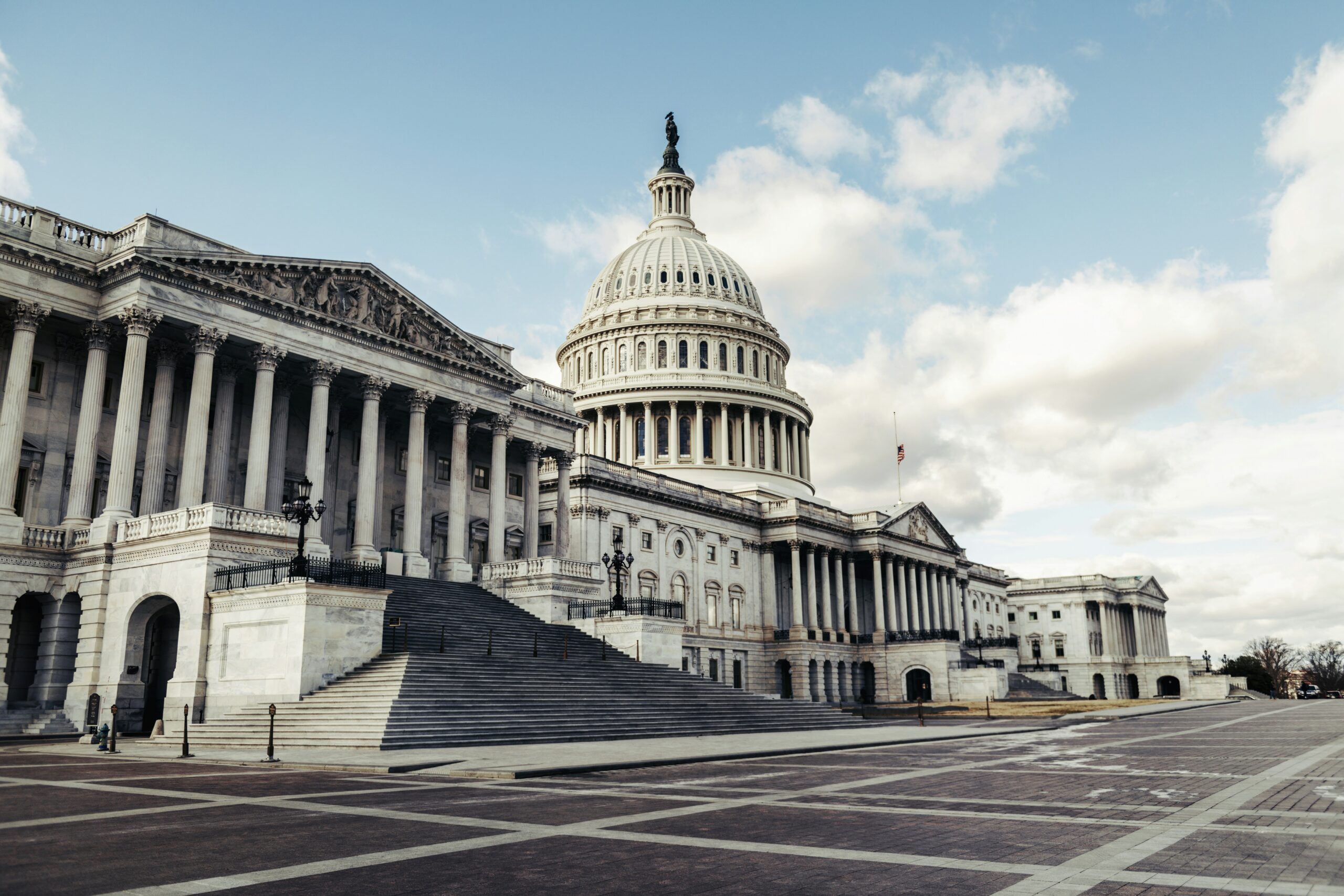
The House of Representatives is voting today on the Farm, Food and National Security Act of 2026 (H.R. 7567), the first full farm bill reauthorization since 2018. If it passes the House, it still faces the Senate before becoming law. But what is in this bill, and why should anyone running a small farm or homestead pay attention?
What Is the Farm Bill and Why Does It Matter?
The farm bill is a sweeping piece of legislation that sets federal agricultural and food policy for five years at a time. It covers commodity crop support, conservation programs, rural development, crop insurance, agricultural loans, and more. The 2018 Farm Bill expired in September 2026, and Congress has been operating on short-term extensions while working toward a replacement.
The bill headed to the House floor today, introduced by House Agriculture Committee Chairman G.T. Thompson of Pennsylvania, passed out of committee in March with a bipartisan 34-17 vote, including seven Democrats crossing the aisle. Over 500 stakeholder organizations support the legislation.
The path to becoming law is not guaranteed. Most Democrats oppose the bill, which means Republicans can afford to lose only a handful of their own members on the floor vote. The Senate Agriculture Committee has not yet advanced its own version of the bill, meaning even a House passage today is only one step in a longer process.
What’s in It for Small Farms and Homesteads
Better Access to Credit
The bill reauthorizes USDA agricultural loan programs through 2031 and makes meaningful changes for smaller operators. Microloan limits are set to double from $50,000 to $100,000, a direct benefit for beginning farmers and small operations needing equipment financing without the paperwork burden of a full farm loan. The bill also includes a relending program to help people who inherit farmland with multiple owners resolve succession questions, which is a real and underserved problem for family farms.
Conservation Reserve Program Extended
The Conservation Reserve Program, which pays farmers to take environmentally sensitive land out of production and plant it with conservation cover, is reauthorized through fiscal year 2031 with the current program cap maintained at 27 million acres. For small landowners using CRP for income while improving soil and habitat, this provides five more years of program stability.
Crop Insurance Expanded for Veterans
Military veterans entering farming will now qualify for the same crop insurance premium discounts currently available to beginning farmers. This is a small but meaningful provision for the growing number of veterans pursuing agriculture after service.
Rural Broadband and Infrastructure
The bill includes an expansion of the ReConnect broadband program and rural infrastructure investments. For anyone running a farm business, selling products online, or working remotely while managing a property, rural broadband access is a practical issue that affects daily operations.
Protections Against Foreign Land Ownership
The bill creates a centralized database to track foreign ownership of U.S. farmland and increases penalties for those who fail to report holdings. This has been a growing concern across the agricultural community. The idea that foreign entities, particularly those with ties to adversarial governments, are acquiring American farmland. The bill addresses it directly.
Solar Restrictions on Agricultural Land
The bill generally prohibits USDA funding for large-scale solar installations on productive agricultural land, favoring smaller on-farm use projects instead. Supporters argue this protects farmland from being permanently converted to industrial energy use. Critics say it limits options for farmers looking to generate income from marginal land. Worth watching depending on your own property situation.
Interstate Livestock Standards
One provision that has generated significant debate: the bill would prohibit individual states from imposing their own production standards on livestock sold across state lines. In practical terms, this means a state law requiring specific animal welfare standards cannot be used to block out-of-state producers who do not meet those standards. Supporters frame it as protecting farmers from a patchwork of conflicting state regulations. Opponents argue it strips states of the ability to set their own food standards.
What Is Contentious
The bill is not without controversy on both sides of the aisle.
The inclusion of provisions protecting pesticide companies from litigation over health claims has created friction within the Republican caucus, particularly from members aligned with the Make America Healthy Again movement. That internal divide is the biggest threat to House passage today.
On the Democratic side, the primary objection centers on nutrition assistance. The bill is criticized for locking in cuts to SNAP already enacted through last year’s reconciliation package. That debate is largely separate from the provisions that affect working farms and homesteads directly, but it is part of why bipartisan floor support is uncertain.
The Bigger Picture
American agriculture has been under real pressure. Farm bankruptcies have risen significantly over the past year, with some reports putting the increase at nearly 50 percent nationally. Input costs remain elevated. Tariffs have created uncertainty in export markets. The 2018 Farm Bill’s policies were written for a different economic environment, and the argument for updating them is straightforward.
Whether this specific bill is the right update is a legitimate debate. What is not debatable is that small farmers, beginning operators, and rural landowners need policy stability: credit programs, conservation payments, and crop insurance. These are what farmers need to make long-term decisions about their land and operations.
In Plain Terms
If this bill passes and becomes law, here is what it likely means:
Borrowing money to buy equipment or expand your operation gets a little easier. Conservation payments stay in place for five more years. Veterans getting into farming get a break on crop insurance. Foreign governments buying up American farmland faces more scrutiny. And your state cannot use its own animal welfare standards to block out-of-state competition — depending on your perspective, that is either protecting you, or limiting consumer choice in your market.
If it eventually becomes law, small operators should see more accessible credit, more stable conservation programs, and a clearer picture of who actually owns the land around them.
What Happens Next
If the bill passes the House today, it moves to the Senate, where the Agriculture Committee has not yet advanced its own version. That means conference negotiations, potential significant changes, and an uncertain timeline before anything reaches the President’s desk.
The current 2018 Farm Bill extension expires September 30, 2026. Congress is working against that deadline.
Working Acre will follow this as it develops. Check congress.gov for the full text of H.R. 7567 if you want to read the bill directly.
This article will be updated as the House vote result becomes available.
Affiliate Disclosure This article contains no affiliate links. It is provided as a news and information resource for the Working Acre community.