Two days after President Trump returned from a summit in Beijing, the White House announced on May 18. China has agreed to purchase U.S. agricultural products at an annualized rate of $17 billion per year through 2028. The deal also restores market access for U.S. beef and revives poultry exports to China, two categories that had been effectively shut out of the Chinese market for years.
For American farmers who absorbed the brunt of the trade war that started last year, this is meaningful news. Whether it translates into the kind of market recovery farmers need is a more complicated question.
What the Deal Covers
The $17 billion annual commitment covers aggregate U.S. agricultural products: beef, poultry, soybeans, grains, dairy, and other commodities. U.S. Trade Representative Jamieson Greer confirmed in a CBS interview that the figure represents total agricultural purchases and could include additional soybean buys beyond the existing commitment. It is on top of China’s soybean purchase commitment from October 2025. The specific provisions include:
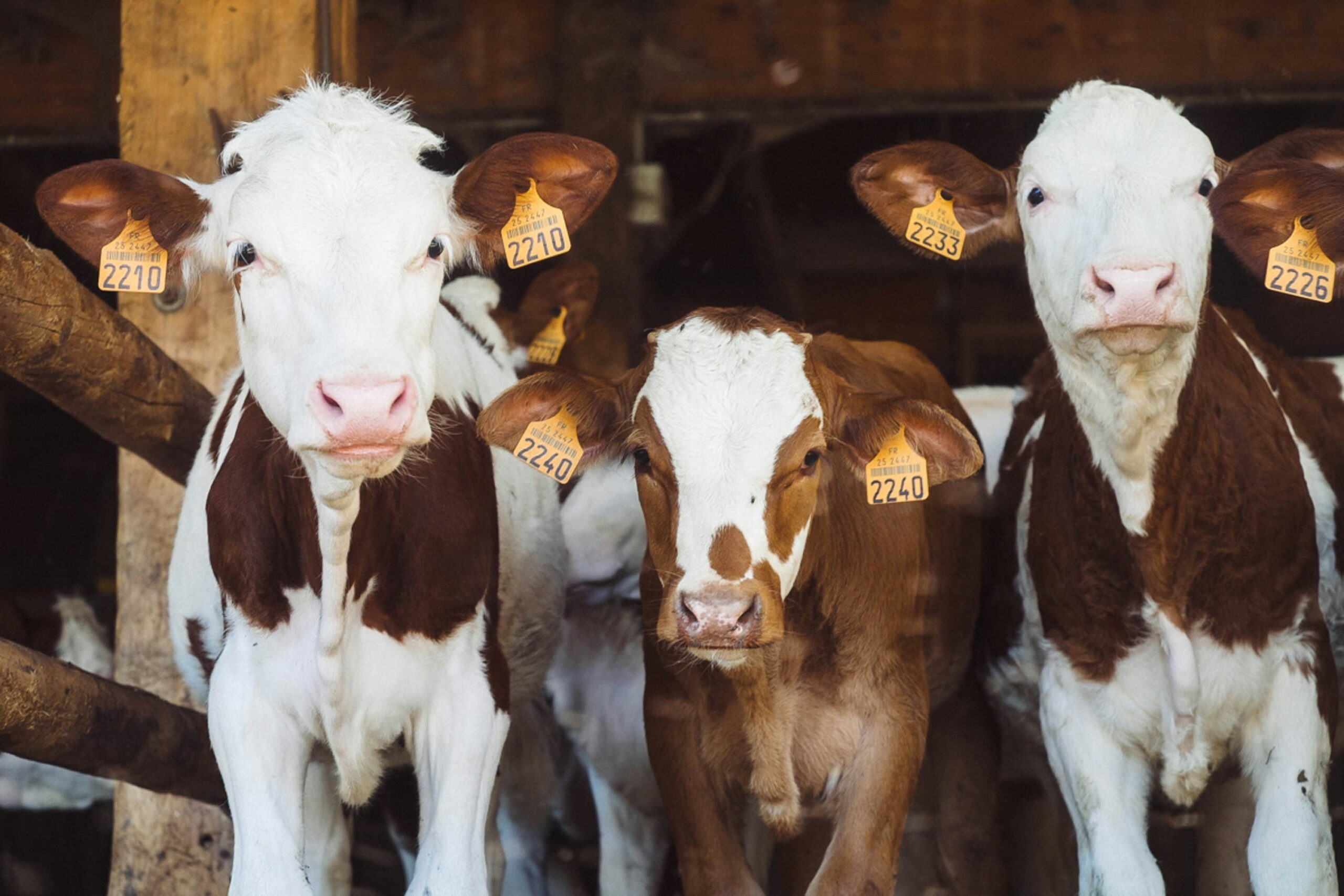
Beef market access restored. China will reinstate hundreds of U.S. beef export facility registrations that had been suspended, and add new ones. U.S. beef had been largely locked out of the Chinese market due to restrictions that dated back years. Many cattle producers and beef packers have been hoping for this restoration since the restrictions were imposed.
Poultry exports revived. China will resume importing poultry from U.S. states that the USDA determines are free of avian influenza. Bird flu outbreaks in recent years had been used to justify broad restrictions on U.S. poultry. The new arrangement ties resumption of imports to USDA disease-free certification rather than blanket bans.
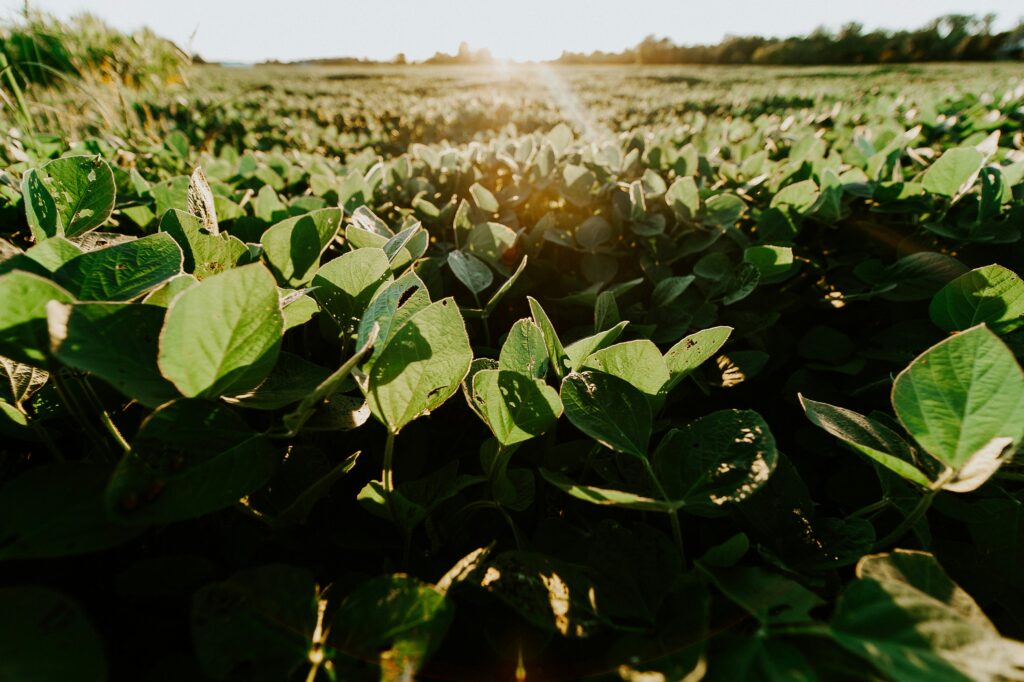
Soybeans on track. As part of the October 2025 trade truce, China committed to purchase 25 million metric tons of U.S. soybeans annually through 2028. USDA data shows the U.S. exported 10.9 million metric tons as of May 7, putting China on pace to fulfill that commitment by the August 31 end of the marketing year. The new deal is separate from and additive to those soybean commitments.
Reciprocal tariff reductions. Both sides agreed to work toward tariff reductions on a specific range of agricultural products, though the exact products were not identified in the announcement.
What the Trade War Cost Farmers
The $17 billion figure needs to be understood against what the trade war disrupted. Before the initial tariff escalation, China was the largest single export market for U.S. agricultural products. U.S. agricultural exports to China totaled $24 billion in 2024. After the trade dispute escalated in 2025, that figure fell to $8.3 billion, a two-thirds decline in a single year. Soybean exports to China historically ran 25 to 30 million metric tons annually. This year’s exports are tracking at 10.9 million metric tons, even with the existing soybean commitment in place.
The American Soybean Association urged President Trump to prioritize soybean market expansion before the Beijing summit. The new deal does not specifically address soybean volumes above the existing commitment, which has disappointed some farm groups hoping for a more complete restoration of pre-trade-war export levels.
For cattle producers, the beef market access restoration is more directly positive. China had been one of the fastest-growing markets for U.S. beef before restrictions were imposed, and the reinstatement of processing facility registrations opens the door to rebuilding that trade relationship.
Poultry producers face a more conditional path. The restriction to USDA bird flu-free states means not every poultry operation immediately benefits. States with ongoing avian influenza detections remain locked out until they achieve disease-free status.
What Skeptics Are Saying
U.S. trade experts quoted in coverage of the deal have offered a more cautious read than the White House’s framing. The concern raised is that some provisions of this agreement resemble commitments China made in previous trade deals, including elements of the Phase One trade agreement from 2020, that were not fully honored. China’s Ministry of Commerce described the deal in terms of both sides working to “actively resolve” concerns, language that trade analysts note stops short of firm purchase guarantees.
The $17 billion figure is also notably below what U.S. agricultural exports to China reached in peak years. Whether it represents a floor that gets exceeded or a ceiling that proves difficult to achieve will take time to determine.
What It Means Right Now
The most immediate benefit is on beef. Cattle producers and beef processors have a clearer path to rebuilding Chinese export sales than they have had in years. Market access is not the same as market sales, but it is the prerequisite. The reinstatement of processing facility registrations is a concrete step.
For grain farmers, particularly soybean growers, the deal does not dramatically change the near-term picture. Exports are running well below historical levels and the new agreement does not commit China to closing that gap beyond the existing soybean commitment.
Poultry producers in bird flu-free states benefit most directly. Those in states with ongoing detection issues remain sidelined until their disease status changes.
The broader signal is that both governments are interested in stabilizing agricultural trade, which matters for farm planning and commodity markets even if the specific numbers are still being worked out. Grain and cattle futures responded positively to the announcement.
For more on the pressures American farmers are currently navigating, see our recent piece on farmers’ rights and the state of U.S. agriculture.
This article contains no affiliate links. It is provided as a news and information resource for the Working Acre community.