
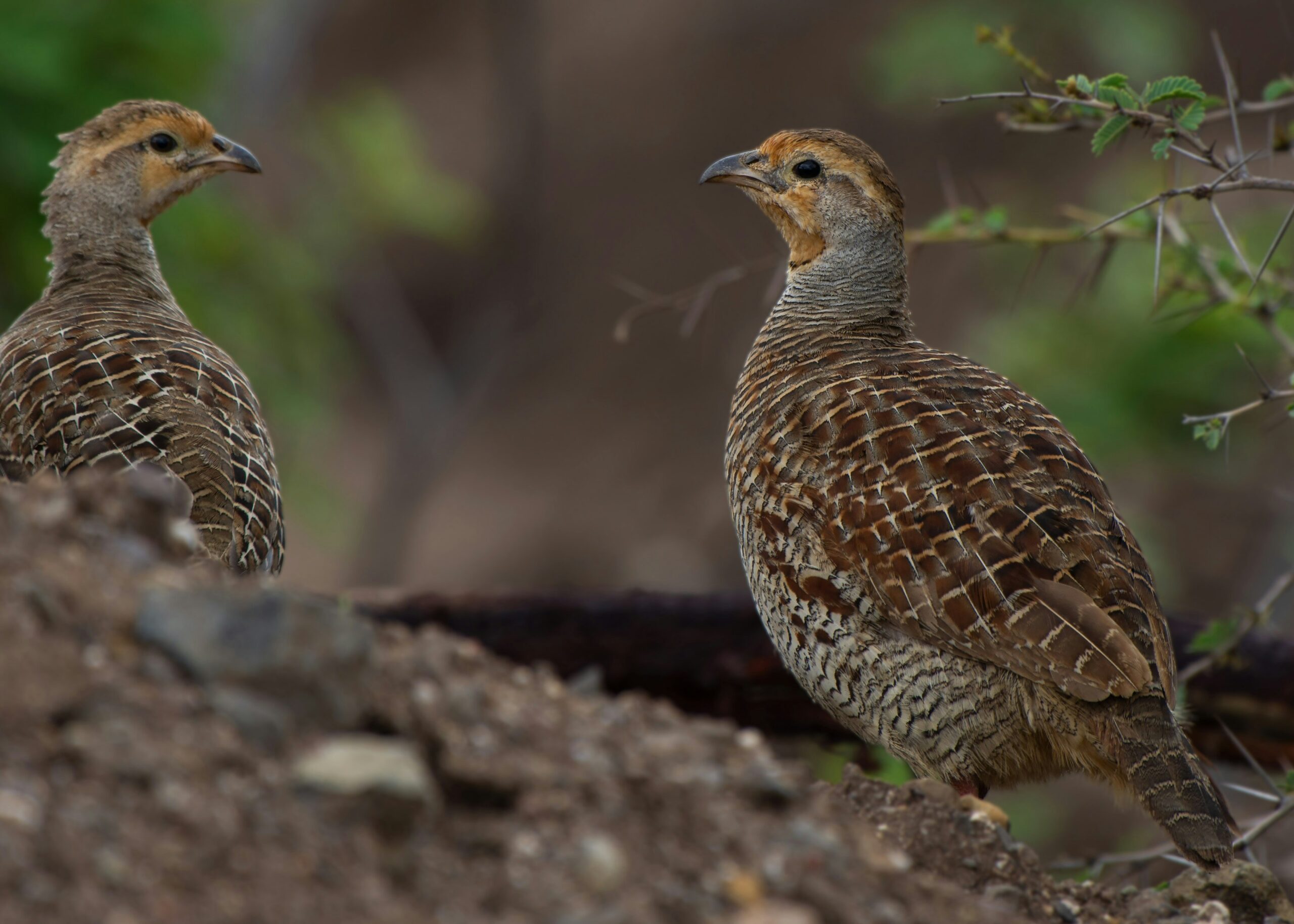
Coturnix quail are one of the most practical additions you can make to a small farm or homestead. They reach laying age in six to eight weeks, produce eggs almost daily, require a fraction of the space chickens need, and make considerably less noise. A male Coturnix makes a soft, low call that most neighbors will never notice.
Care requirements for quail are different enough from the more commonly bought backyard chickens that it is worth understanding the basics before your first birds arrive.
Why Coturnix
There are several quail species kept on homesteads. Coturnix, also called Japanese quail, is a solid choice for most beginners for practical reasons.
They reach laying or meat-harvesting age in just six to eight weeks and tolerate compact housing well. A healthy hen produces close to 300 eggs per year. The eggs are small but nutritionally dense and have a rich flavor that holds up well in cooking, pickling, and specialty markets.
For meat production, Coturnix are ready to process at six weeks. That turnaround is faster than any other commonly kept poultry. Jumbo Coturnix varieties, selected for larger body weight, are the standard choice for meat production.
One note on roosters: unlike chickens, each section of a cage should house only one male. An additional male will result in fighting as each tries to assert dominance over the hens. Plan your sex ratios accordingly. One male per three to five hens is the general recommendation.
Housing Options
Quail are kept in two main configurations: wire cages and ground-level pens. Both work. Each has trade-offs.
Wire cages are the most common setup for egg production and breeding. The wire used to construct the floor should have holes no larger than 1/4 inch to keep the birds’ feet healthy. Wire floors also keep eggs and birds from becoming soiled. Cage systems with drop pans beneath collect waste for easy cleaning. Hatching Time’s stackable cage systems are purpose-built for this. The COMFORTPLAST polypropylene construction resists rust, cleans easily, and stacks vertically to maximize birds per square foot.
Ground pens give birds more natural behavior: dust bathing, foraging, and more movement. They require more space per bird and make egg collection less efficient since eggs land on the ground rather than rolling to a collection tray. Predator protection is more critical in a ground pen than in a raised wire cage.
Space requirements: Space mistakes are one of the fastest ways to create stress in a covey. A general guideline for Coturnix in wire cages is one square foot per bird minimum, with more space producing better results in egg production and temperament. Overcrowding causes feather-pecking and reduces laying.
Ceiling height: Coturnix startle easily and flush upward when frightened. Low ceilings cause head injuries during startle responses. Most experienced keepers recommend at least 8 to 10 inches of vertical clearance in wire cages, and higher in pen setups.
Predator protection: Everything that hunts chickens hunts quail, and quail are smaller and more vulnerable. Wire mesh, secure latches, and hardware cloth rather than standard chicken wire are the minimum requirements for any outdoor setup.
Feed and Water
Coturnix require higher protein than chickens. Feed them high-protein game bird crumbles and ensure constant access to clean water. Game bird starter at 24 to 28 percent protein is appropriate from hatch through six weeks. After six weeks, a game bird maintenance feed at 20 to 22 percent protein supports laying hens.
Do not feed chick starter formulated for chickens to quail chicks. The protein content is too low for proper Coturnix development. Game bird starter is the correct feed from day one.
Water access requires attention in the early days. Young quail chicks can drown in standard waterers. Use shallow waterers or add marbles to standard waterers for the first week to prevent drowning while chicks learn to drink.
Laying hens benefit from supplemental calcium for shell quality. Offer crushed oyster shell free-choice in a separate container, the same approach used for laying chickens.
Quail hens require 14 hours of light per day to produce eggs consistently. In climates with shorter winter days, supplemental lighting maintains production through the low-light months.
Brooding Quail Chicks
Newly hatched Coturnix chicks are significantly smaller than chicken chicks and require the same brooding principles but with attention to the size difference. Standard chicken brooder equipment works, but gaps in feeders and waterers that a chick would not fall through can trap a quail chick. Check equipment for any openings larger than the chicks themselves.
Temperature requirements follow the same weekly reduction schedule used for chickens: 95 degrees Fahrenheit in week one, reduced by 5 degrees per week until fully feathered. Coturnix feather out faster than chickens. Most are fully feathered by three to four weeks rather than six.
Hatching Time’s stackable brooding systems are sized for quail from day one. The integrated feeders and waterers in the COMFORTPLAST brooding layers are designed for small birds and eliminate the need to source separate equipment scaled to quail chick size.
Quail Equipment from Hatching Time
Hatching Time builds complete end-to-end quail systems that take birds from hatching egg through laying age in one integrated setup. For anyone starting a quail operation without existing equipment, these kits simplify the sourcing process considerably.
Quail Semi-Pro Kit hatches up to 126 quail eggs per batch and raises up to 45 fully grown quail. Includes the incubator, stackable brooders with integrated feeders and drinkers, grow-out pens, and stackable breeding cages with roll-out egg collection. The brooder space heaters are removable and convertible to grow-out pens, which extends the value of each layer as birds mature.
Hatching Time Quail Semi-Pro Kit
Note: Hatching Time quail kits occasionally go on backorder. Check the product page for current availability before ordering.
Quail Professional Kit scales up to 216 eggs per batch with four incubator turners and four hatch baskets. Designed for operations running a continuous hatching schedule with larger bird numbers. Same COMFORTPLAST construction, same stackable brooding and breeding system.
Hatching Time Quail Professional Kit
Quail Pro Plus Kit is the largest system, handling up to 324 eggs per batch with six turners and six hatch baskets. Built for serious small farm operations where quail egg or meat production is a meaningful part of the operation.
Hatching Time Quail Pro Plus Kit
All three kits use Hatching Time’s CT series incubators, which include automatic egg turning and humidity management. The CT60 covered in our egg incubator guide also accepts quail egg trays and works as a standalone incubator for smaller quail operations.
Incubating Quail Eggs
Coturnix eggs incubate in 17 to 18 days, three to four days shorter than chicken eggs. The temperature and humidity parameters are the same as chicken eggs during incubation: 99.5 degrees Fahrenheit forced air, 45 to 55 percent relative humidity, with automatic turning throughout.
Lockdown begins on day 14 to 15, three days before the expected hatch date. Stop turning, raise humidity to 65 to 75 percent, and do not open the incubator until chicks have hatched.
Quail eggs are small and can be challenging to candle. A high-intensity penlight or purpose-built candler works better than a standard candling light for seeing development clearly through the shell.
What to Expect in the First Year
Coturnix are productive birds with a relatively short laying career compared to chickens. Peak production runs from about eight weeks through the first full year. Production declines in year two and drops further in year three. Most commercial quail operations replace layers annually. For a homestead operation, this is a management decision rather than a hard rule. Some keepers retain second-year birds, others cycle the flock each year.
The lifespan of a Coturnix in captivity is typically two to five years with good care. Their fast maturity and high production in year one make them one of the most efficient birds per square foot of any commonly kept poultry.
For anyone who has already started with chickens and wants to add a second species, quail integrate well into an existing poultry setup. They require separate housing. Do not house quail with chickens. The management rhythms are similar enough that the learning curve is short.
For more on getting started with poultry from the ground up, see our Getting Started with Backyard Chickens guide.
Links may be added or updated over time. They do not affect how products are selected or discussed.
Affiliate Disclosure This article may contain affiliate links. If you buy through one of those links, Working Acre may earn a small commission at no extra cost to you. Product mentions are based on usefulness, fit, and relevance to the topic.