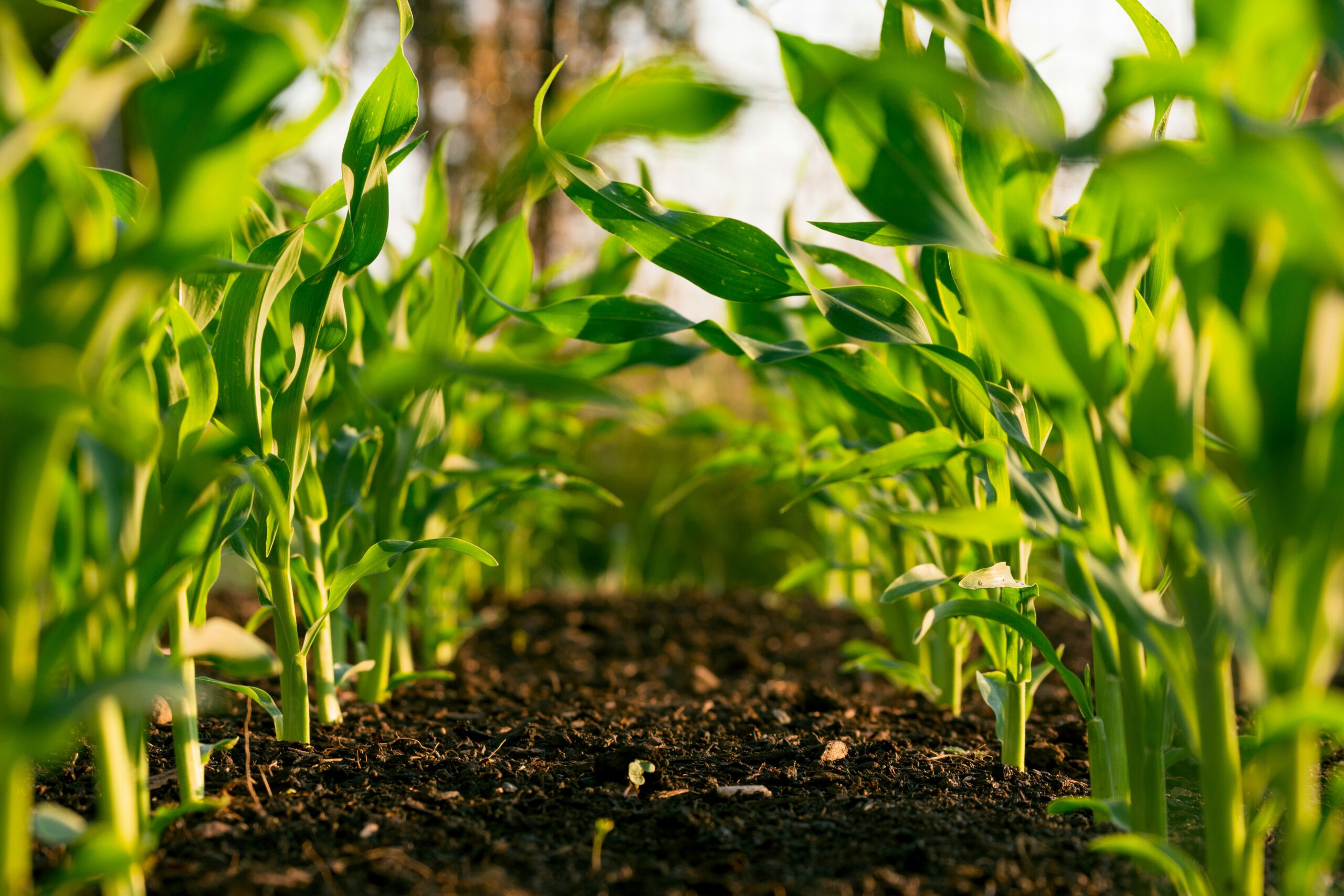
Good soil isn’t a guarantee; oftentimes it takes work and refinement. It is built deliberately, season by season, based on what your specific ground area is lacking. The problem with most generic soil amendment advice is that it treats all gardens the same. Midwest clay is not the same problem as sandy coastal soil. Acidic Michigan soil from years of pine needle accumulation is not the same as the alkaline soil common in drier western regions.
Before you spend money on amendments, test your soil. Everything else follows from that.
Start With a Soil Test
Applying lime, sulfur, or fertilizer without knowing your baseline is guesswork. You may be raising a pH that is already where it needs to be, or adding nutrients that are already sufficient while a different deficiency goes unaddressed.
Two options depending on how much detail you need:
The Luster Leaf Rapitest kit checks pH, nitrogen, phosphorus, and potassium in about fifteen minutes using a color comparison system. It is not laboratory precision, but it tells you whether your soil needs major corrections before you plant.
For establishing new beds, seeding pasture, or troubleshooting persistent problems, the MySoil mail-in test returns a full 13-nutrient panel with amendment recommendations specific to what you plan to grow. Worth doing once on any ground you are committing to long term.
In Michigan and across the Midwest, MSU Extension’s soil testing service is an affordable option that provides lab-accurate results with Midwest-specific interpretation. Most state land-grant universities offer similar services. Prices typically run $15 to $25 per sample.
Understanding pH: The Master Variable
Soil pH controls nutrient availability more than almost any other factor. Most vegetables and field crops perform best in a pH range of 6.0 to 7.0. Outside that range, nutrients get locked up in the soil regardless of how much fertilizer you apply.
Michigan soils tend toward acidity, particularly in areas with heavy tree cover or significant organic matter accumulation. Sandy soils in western Michigan can run pH 5.5 or lower in untreated garden areas. Clay-heavy soils in the southern Lower Peninsula often run slightly higher.
Raising pH (acidic soil): Agricultural lime is the standard tool. It works slowly. Fall application allows lime to work through the soil profile before spring planting. Pelletized dolomitic limestone is the most practical form for garden and small farm use. It spreads easily, does not pose the handling hazards of hydrated lime, and provides both calcium and magnesium.
Espoma Organic Garden Lime, pelletized dolomitic limestone, 6.75 lb
Application rates vary significantly by soil type, current pH, and how much adjustment is needed. Extension guidance puts roughly 4 pounds of pelletized lime per 100 square feet as a starting point for loam soil to raise pH by one unit, with sandy soils needing less and clay soils needing more. Follow your soil test recommendations rather than a generic rate. Over-liming drives pH too high and locks out micronutrients.
Lowering pH (alkaline soil): Elemental sulfur is the standard approach. It works more slowly than lime and is best applied in early spring to allow time for soil bacteria to convert it to sulfuric acid, which lowers pH. Application rates vary by soil type and how much adjustment is needed. Sandy soils require less sulfur than clay soils to achieve the same pH shift.
Espoma Organic Soil Acidifier, elemental sulfur and gypsum, 6 lb, OMRI listed
A commonly cited starting point for loam soil is approximately 1 to 1.5 pounds of elemental sulfur per 100 square feet to lower pH by one unit. Sandy soils need less, heavy clay soils need more. Test after one growing season before applying more.
Organic Matter: The Foundation of Soil Health
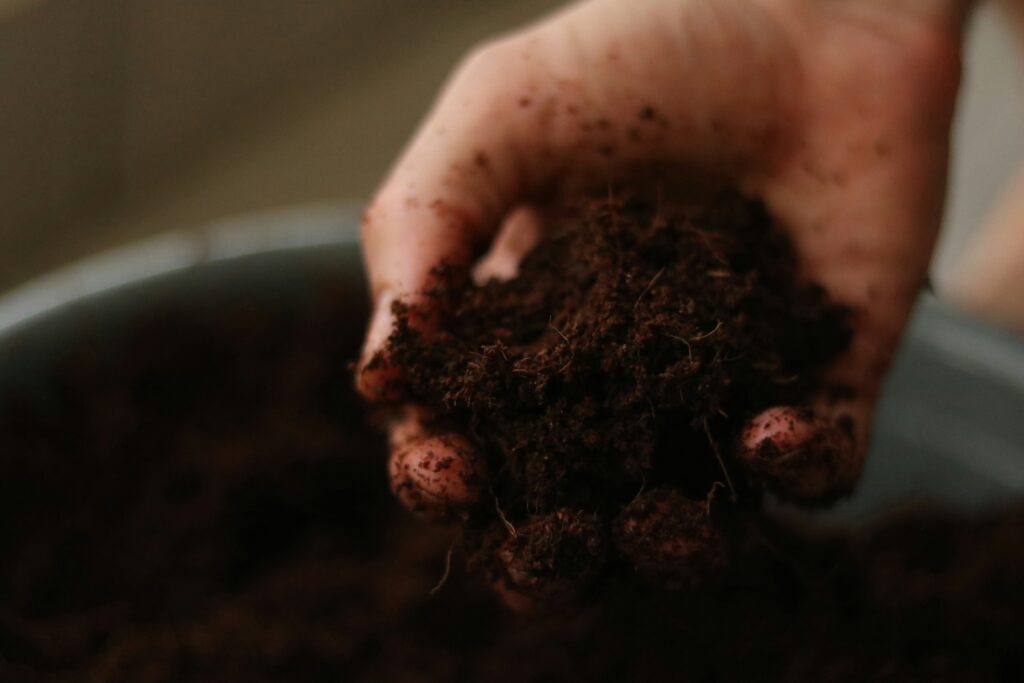
pH correction addresses the chemical environment. Organic matter addresses the physical structure and biological life of the soil. Organic matter improves drainage in clay-heavy soils, improves water and nutrient retention in sandy soils, feeds the microbial life that makes nutrients available to plants, and builds long-term soil structure. Composted manure is the most accessible and most widely used organic amendment for small farms and homesteads. It provides a slow-release nutrient profile, improves soil structure, and introduces beneficial microbes without the burn risk of fresh manure or synthetic fertilizers.
Black Kow Composted Cow Manure, 1 cubic foot, 0.5-0.5-0.5 nutrient ratio
Black Kow is aerobically composted to a slow-release 0.5-0.5-0.5 nutrient ratio. It will not burn roots even when applied at recommended rates. Mix it into the top 6 to 8 inches of soil before planting at roughly 10 to 20 percent by volume, or use it as a top dressing around established plants.
For Michigan and Midwest growers, locally sourced composted manure from a farm supply store or co-op is often a more practical option for large garden areas. Buying by the yard from a local source is more cost-effective than bagged products when you are amending significant acreage.
Compost, whether homemade or purchased, serves the same function. If you are producing animals on your property, their manure composted for 6 to 12 months is one of the best soil amendments available. Chicken manure is higher in nitrogen than cow or horse manure and should be fully composted before application to avoid burning.
Gypsum for Clay Soils
If your soil test shows adequate calcium but your clay is compacted and poorly draining, agricultural gypsum is worth knowing about. Gypsum (calcium sulfate) improves clay soil structure by helping clay particles aggregate into larger clumps, improving drainage and aeration without significantly affecting pH.
This matters in Michigan’s heavy clay soils, particularly in areas with significant glacial till. Gypsum will not fix poorly drained soil on its own, but as part of a broader organic matter program it contributes meaningfully to long-term soil improvement.
Application rates typically run 10 to 40 pounds per 100 square feet for initial treatment of compacted clay. Espoma and other brands offer pelletized gypsum products available through most garden retailers.
Cover Crops as Long-Term Soil Amendment
For anyone managing more than a garden plot, cover crops are the most cost-effective soil amendment program available. Legumes like crimson clover, hairy vetch, and field peas fix atmospheric nitrogen into the soil. Grasses like winter rye and oats add organic matter and reduce erosion. Brassicas like radishes and turnips break up compacted subsoil with their deep tap roots.
MSU Extension publishes cover crop selection guides specific to Michigan’s climate zones and soil types. Iowa State, Purdue, and Ohio State Extension resources cover the broader Midwest. The right cover crop for your rotation depends on your soil type, planting window, and what you are growing the following season.
Cover crops are planted after harvest and terminated before spring planting. For small farm operators managing multiple crops and livestock, they are worth building into the rotation early rather than treating as an afterthought.
What Not to Do
A few consistent mistakes worth avoiding:
Amending without testing. The most common and most expensive error. A bag of lime costs $10. A soil test costs $15. Liming soil that does not need it can drive pH above 7.5 and create micronutrient deficiencies that cost more to correct than the original test would have.
Applying fresh manure before planting. Fresh manure contains soluble nitrogen that can burn roots and may harbor pathogens. Composted manure is the safe option for anything being planted in the near term. Apply fresh manure only to fields that will sit fallow for 90 to 120 days before planting.
Assuming more is better. Every amendment has a recommended rate based on soil type and starting conditions. Doubling the rate does not double the benefit. Excess lime, excess sulfur, and excess nitrogen all create problems. Follow soil test recommendations.
A Note on Michigan and Midwest Soils
Michigan’s soil variability is significant. The Upper Peninsula has thin, acidic soils over bedrock that behave very differently from the deep, productive loams of mid-Michigan’s agricultural core. Western Michigan’s fruit belt has well-drained sandy soils that respond quickly to pH adjustment and dry out fast without organic matter. Thumb region clay soils are among the heaviest in the state and require sustained organic matter programs to improve drainage and workability.
Whatever your specific ground, your county’s MSU Extension office publishes soil survey data and amendment recommendations tailored to your region. That resource is free and more useful than any generic national guide, including this one.
Links may be added or updated over time. They do not affect how products are selected or discussed.
Affiliate Disclosure This article may contain affiliate links. If you buy through one of those links, Working Acre may earn a small commission at no extra cost to you. Product mentions are based on usefulness, fit, and relevance to the topic.