
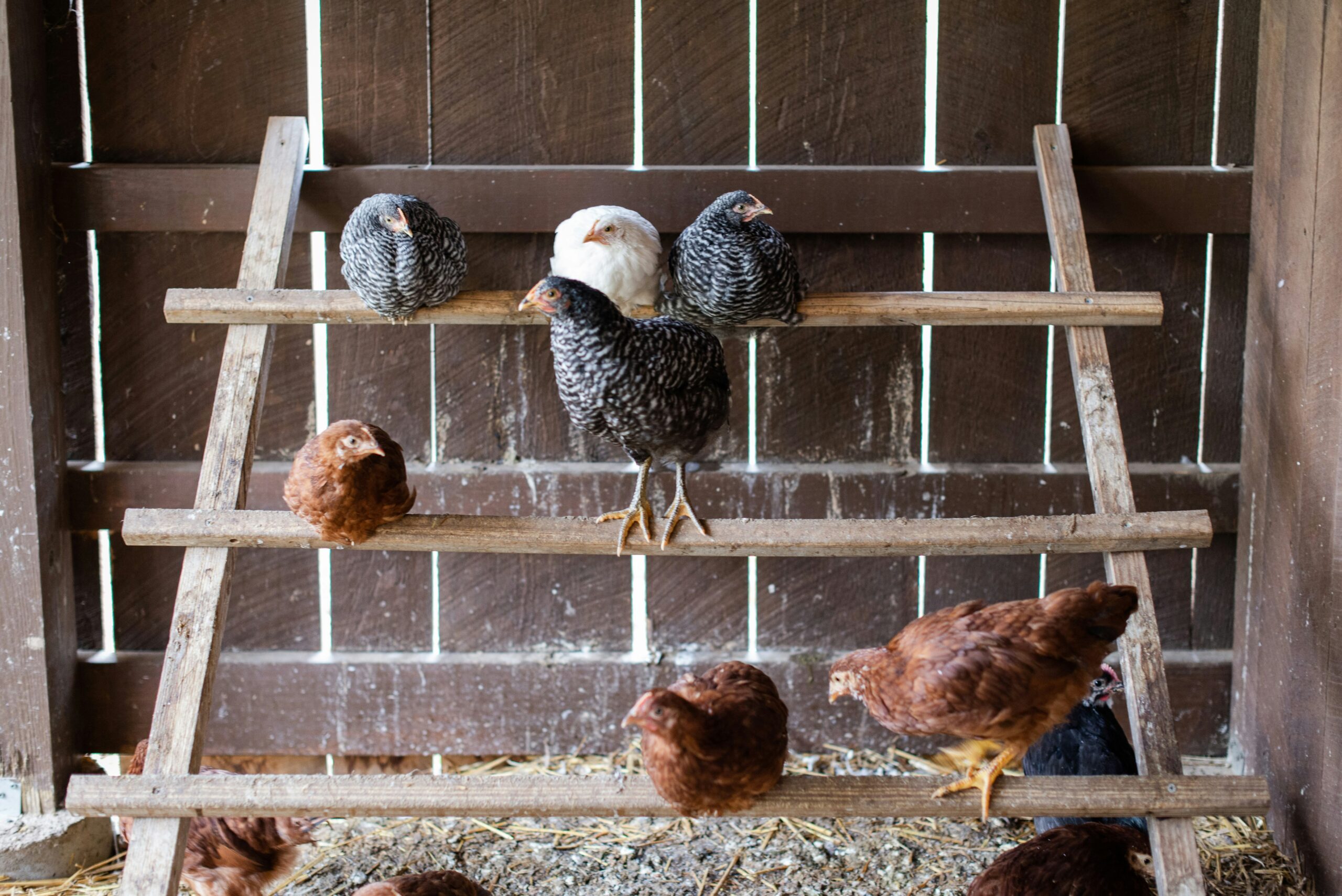
Chickens, often referred to as the gateway animal, are often a budding homesteader’s first foray into livestock. The barrier to entry is low, the payoff is immediate, and the learning curve is forgiving compared to most livestock. Fresh eggs from your own flock taste different from what you buy at a store. Many people who start with six hens end up wanting more.
Before you order chicks, there are decisions to make and things to have in place. This guide covers what matters at the start: breed selection, housing, brooding, feed, and what to expect in the first year.
Check Your Local Ordinances First
Before anything else, confirm that keeping chickens is legal where you live. Many municipalities allow backyard chickens with restrictions on flock size, coop placement, and whether roosters are permitted. Some do not allow chickens at all. Find out before you spend money on equipment and chicks.
If you are on rural property, this is typically not an issue. If you are in a suburb or small town, check with your local zoning office or municipality directly.
Choosing a Breed
Breed selection comes down to three questions: Do you want eggs, meat, or both? How many eggs per week matters to you? And what climate are you in?
For most people starting out, a dual-purpose breed is the practical choice. These birds lay consistently and are large enough to be useful as meat birds if needed. Some of the most reliable options:
Rhode Island Red is one of the most popular backyard breeds for good reason. Hardy, consistent layers of brown eggs, tolerant of cold, and generally easy to manage.
Barred Plymouth Rock has a calm temperament, reliable brown egg production, and cold-hardy. A good choice for beginners in northern climates.
Buff Orpington is gentle, cold-hardy, and a solid layer. Frequently recommended for families with children due to their docile nature.
Easter Egger is not a true breed but a hybrid known for laying blue or green eggs. Popular, friendly, and consistent producers.
Black Australorp holds the record for most eggs laid in a year among production breeds. Calm, heat-tolerant, and adaptable.
For pure egg production with less interest in dual-purpose utility, White Leghorns are the most efficient layers available, though they tend to be flightier and less suitable for handling.
Avoid ordering exotic or ornamental breeds for your first flock. They are beautiful but often poor layers and require more specialized management.
How Many Birds to Start With
Most extension resources recommend starting with six hens for a first flock. That is enough birds to establish a natural social order without being overwhelming to manage. Six hens in prime laying condition typically produce four to five eggs per day, which is more than most households need and enough to share.
One important note on roosters: they are not required for egg production. Hens lay eggs without a rooster present. Roosters are only needed if you want fertile eggs for hatching. Many municipalities that allow backyard chickens specifically prohibit roosters due to noise. Know your local rules before ordering.
When ordering chicks, be aware that sexing is not 100 percent accurate even from reputable hatcheries. Most sellers of sexed pullets quote a 90 to 95 percent accuracy rate, which means you may occasionally receive a rooster in a female order. Have a plan for that possibility before it happens.
Setting Up the Brooder
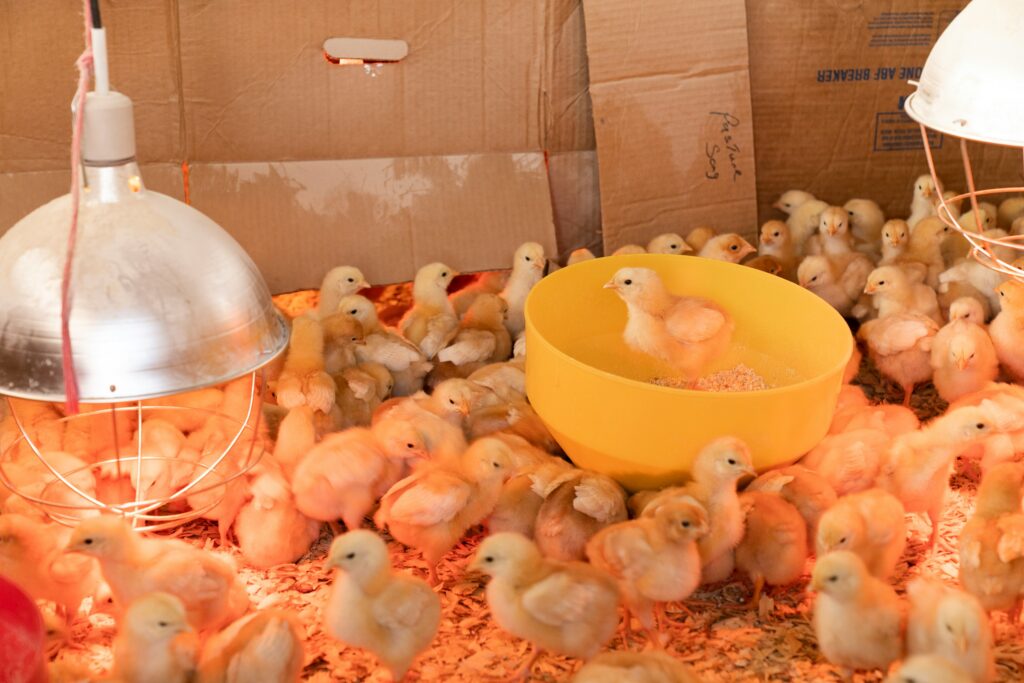
Day-old chicks cannot regulate their own body temperature and require a warm, draft-free brooder for the first several weeks of life. This is the piece most first-time chicken owners underestimate. The brooder setup matters as much as anything else in the early weeks.
Temperature requirements
The brooder temperature should start at 90 to 95 degrees Fahrenheit in the first week and decrease by 5 degrees per week until chicks are fully feathered, typically around six weeks of age. A reliable heat source that maintains a consistent temperature is important. Traditional heat lamps work but carry a real fire risk. A heat plate is the safer alternative and what most experienced keepers now recommend. Hatching Time offers standalone heat plates in two sizes: the 10×10 inch Comfort Heating Plate for up to 20 chicks, and the 16×16 inch Comfort Heating Plate for up to 35 chicks. Both are adjustable height and use a fraction of the electricity a heat lamp draws.
Space requirements
Extension resources generally recommend a minimum of half a square foot of brooder space per chick for the first four weeks, scaling up to three-quarters of a square foot after that. These are minimums. More space is always better. Crowding is one of the most common causes of early health problems including respiratory illness and feather-picking.
Bedding
Pine shavings are the standard brooder bedding. They absorb moisture well, are easy to source, and are safe for chicks. The Small Pet Select Pine Shavings are a well-regarded option available on Amazon: kiln-dried, low dust, and sized specifically for poultry use. Avoid cedar shavings. The aromatic oils can cause respiratory irritation in young birds. Replace bedding frequently to keep the environment dry and clean.
Brooder kits
If you want a complete setup rather than sourcing components separately, Hatching Time offers several options worth considering. The Value Chick Starter Kit bundles a collapsible brooder, heat plate, feeder, waterer, vitamins, and supplements for up to 12 chicks, the core of what you need in one package. For a more comprehensive setup, the Premium Chick Starter Kit adds enrichment tools, a larger heat plate, and health supplements designed to support chicks through the transition from brooder to coop.
Housing: The Coop and Run
Chicks move to an outdoor coop once they are fully feathered, generally around six weeks. The coop needs to be ready before that transition happens.
Space requirements
The University of Minnesota Extension and most poultry resources recommend a minimum of 3 to 4 square feet of indoor coop space per bird and 8 to 10 square feet of outdoor run space per bird. These are minimums. More space means healthier, less stressed birds and fewer behavioral problems like pecking and aggression.
A six-hen flock needs at minimum an 18 to 24 square foot coop interior and a 48 to 60 square foot run. Build or buy bigger than you think you need. Flock expansion is common once you are comfortable with the basics.
Coop essentials
Every coop needs roosting bars, nest boxes, and ventilation. One nest box per four to five hens is the standard recommendation. Roosting bars should be positioned higher than the nest boxes. Chickens instinctively sleep at the highest available point, and if nest boxes are higher than roosts you will end up with chickens sleeping in the boxes and fouling your eggs.
Ventilation is the most overlooked coop requirement. Chickens produce a significant amount of moisture and ammonia from respiration and manure. Adequate ventilation at the top of the coop wall (not at bird level, to avoid drafts) keeps air quality healthy without chilling the birds.
Predator protection
Assume predators are present wherever you are. Raccoons, foxes, coyotes, hawks, weasels, and domestic dogs are the most common threats. Hardware cloth (welded wire with small openings) is more secure than standard chicken wire for enclosing the run. The Land Guard 19 Gauge 1/2-inch Hardware Cloth is a well-reviewed option on Amazon: hot-dip galvanized after welding, which protects every joint against rust, and 1/2-inch mesh stops snakes, weasels, and raccoon paws. Bury it at least 12 inches underground or bend it outward along the base of the run to deter digging. Secure the coop door every night.
Feed
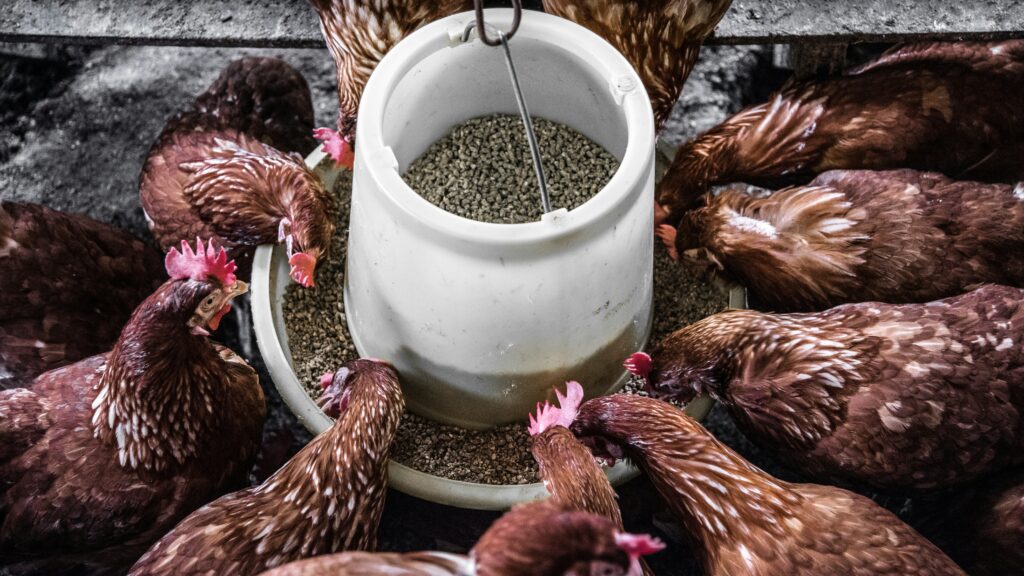
Chick starter: Feed a chick starter or starter-grower ration from day one through approximately 16 to 18 weeks of age. Chick starter is higher in protein (typically 18 to 20 percent) to support rapid growth. Purina Start & Grow is the most widely used chick starter on the market, available in medicated and non-medicated versions. Medicated feed contains amprolium, which helps prevent coccidiosis, a common intestinal disease in young chicks. Purina publishes specific guidance on feed selection for your breed type; follow the recommendations on the bag.
Layer feed: Transition to layer feed when hens reach laying age, typically around 16 to 20 weeks depending on breed. Layer feed contains higher calcium levels to support eggshell formation. Purina Layena is one of the most commonly used layer feeds among backyard keepers, formulated specifically for laying hens. Do not feed layer feed to chicks. The calcium level is too high for young birds and can damage their kidneys.
Oyster shell: Offer free-choice oyster shell to laying hens as a calcium supplement. Keep it in a separate container from feed so birds can self-regulate intake. Manna Pro Crushed Oyster Shell is a widely available option on Amazon and consistently rated well by backyard flock owners.
Water: Fresh, clean water available at all times. Waterers should be cleaned and refilled daily. Chicks are particularly susceptible to dehydration in the first few days after arrival.
What to Expect in the First Year
Weeks 1 to 6: Chicks in the brooder. Monitor temperature closely, keep bedding dry, and ensure all birds are eating and drinking. Early losses are most common in the first week if temperature or sanitation is off.
Weeks 6 to 16: Pullets in the coop. Growing fast, not yet laying. This is when the pecking order establishes. Some squabbling is normal.
Weeks 16 to 24: First eggs. Timing varies significantly by breed. Production breeds like Rhode Island Reds and Leghorns typically begin laying around 18 to 20 weeks. Heritage breeds often take longer.
Year one production: Most hens lay well through their first full laying season. Expect production to slow in fall as daylight hours decrease. Hens require approximately 14 to 16 hours of light per day for consistent laying. Adding supplemental coop lighting in fall and winter maintains production through shorter days.
Where to Get Your Chicks
There are two main routes: online hatcheries and local in-person sources. Both work just fine.
NPIP Certification
The National Poultry Improvement Plan (NPIP) is a voluntary federal certification program that tests flocks for certain diseases including Salmonella Pullorum and Typhoid. Purchasing chicks from an NPIP-certified source reduces disease risk and, in many states, is required when purchasing birds across state lines. Always confirm NPIP status before ordering.
Online Hatcheries
Ordering online gives you access to a far wider selection of breeds than you will find locally, often at competitive prices. Chicks ship via USPS Priority Mail Express and typically arrive within 24 to 72 hours of hatching. Most reputable hatcheries have a live arrival guarantee. A few consistently well-regarded options:
Murray McMurray Hatchery (mcmurrayhatchery.com): one of the oldest and most established hatcheries in the country, family-owned in Webster City, Iowa since 1917. Wide breed selection, NPIP certified, and well-regarded for chick quality and customer service.
Meyer Hatchery (meyerhatchery.com): NPIP certified, women-owned, based in northeast Ohio. Ships day-old chicks year-round with a strong reputation among backyard keepers. New breeds added for 2026.
Cackle Hatchery (cacklehatchery.com): family-owned since 1936 in Lebanon, Missouri, one of the largest hatcheries in the country. Over 200 varieties of poultry. Strong customer feedback on chick health and packaging.
Valley Hatchery (valleyhatchery.com): NPIP certified, ships to all 48 contiguous states. Publishes state-specific guides to help you plan orders around your regional climate and transit times. Good option for first-time buyers who want detailed ordering guidance.
When ordering online, order early. Popular breeds sell out weeks ahead of peak spring shipping dates. Most hatcheries open reservations in January or February for spring shipments.
Local and In-Person Sources
Several national farm and feed retail chains carry chicks in store during spring, typically from late February through May depending on region. Availability varies by location.
Tractor Supply Company carries chicks at most locations from late winter through spring, sourced from NPIP-certified suppliers. Selection varies but typically includes common dual-purpose breeds and a few specialty options. Chick Days events run seasonally. Check your local store for dates.
Blain’s Farm and Fleet (Midwest) carries chicks seasonally at many locations. Similar selection to Tractor Supply with regional variation.
Southern States Cooperative (Southeast and Mid-Atlantic) carries chicks and poultry supplies at many locations. NPIP-sourced birds.
Local feed stores and farm co-ops are worth checking as well. Many carry chicks in spring sourced from regional hatcheries, and staff often have firsthand knowledge about how the birds have been handled. Ask whether their supplier is NPIP certified.
One practical advantage of buying locally is that you can see the chicks before you buy and pick up supplies at the same time. One disadvantage: breed selection is narrower, and availability is first-come, first-serve.
Before Your Chicks Arrive
Have the brooder set up and at temperature before chicks arrive. Test the heat source 24 hours in advance. Have starter feed and fresh water ready. If ordering online, chicks ship via USPS and arrive within 24 to 72 hours of hatching, so be prepared to pick them up promptly from the post office when they arrive.
The first 48 hours are the most critical. Once chicks are eating and drinking consistently and the temperature is stable, the hard part is behind you.
Enjoy your new chickens, and all the fun and challenges that come with them!
Links may be added or updated over time. They do not affect how products are selected or discussed.
Affiliate Disclosure This article may contain affiliate links. If you buy through one of those links, Working Acre may earn a small commission at no extra cost to you. Product mentions are based on usefulness, fit, and relevance to the topic.