
Spring planting windows are short and the window for cool-season crops is shorter still. Get the right crops in the ground at the right time and you can be harvesting before summer heat sets in.
These crops are chosen for cold tolerance, fast maturity, and broad adaptability. They work in raised beds, in-ground rows, and small garden plots alike. Timing varies significantly by region. A grower in Maine and a grower in central California are working on very different spring schedules. Use your local last frost date and soil temperature as your guide rather than the calendar.
Leafy Greens: Spinach, Lettuce, Kale, Arugula
These are the workhorses of spring planting. They thrive in cool weather, tolerate light frost, and are ready to harvest in 30 to 45 days from direct seeding. Get them in the ground as soon as the soil is workable and temperatures are consistently above 40 degrees Fahrenheit.
Spinach handles the coldest conditions of the group and can go in earlier than most. Loose-leaf lettuce varieties can be harvested over time by cutting outer leaves, which extends the harvest window significantly. Kale and arugula are the most cold-tolerant of the bunch and will keep producing through temperature swings that would stop other crops cold.
Plant in succession every two to three weeks for a continuous harvest rather than a single glut.
Radishes
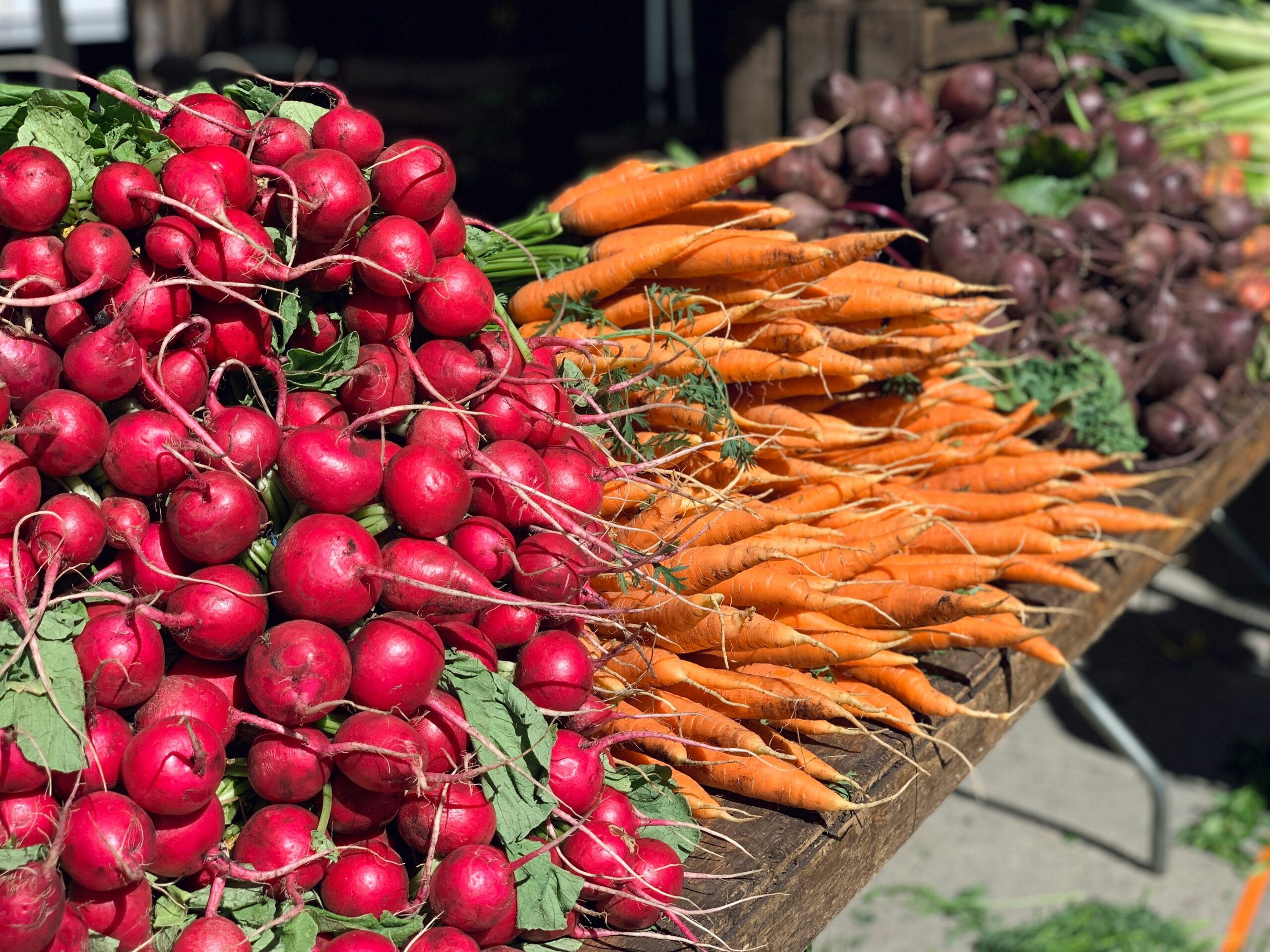
Radishes are the fastest return in the spring garden. Some varieties mature in 25 days. They prefer cool soil and will bolt quickly once heat sets in, so spring is the right window. Direct seed them, thin as needed, and harvest before the weather turns.
Beyond the standard red globe varieties, French Breakfast radishes and daikon types offer different flavors and textures worth trying. They also work well planted alongside slower-germinating crops like carrots to mark rows while you wait.
Peas: Sugar Snap, Snow, and Shelling
Peas germinate in cool soil and can go in as soon as the ground thaws and is workable. They do not need warm conditions to establish. Give them something to climb: a simple trellis, fence, or a few stakes with twine. They will reward you with a crop before summer.
Sugar snap and snow peas give you the whole pod. Shelling peas are grown for the seeds inside. All three are worth growing. The choice comes down to how you plan to use them. Fresh sugar snaps eaten straight off the vine in late May are one of the better arguments for having a garden.
Carrots
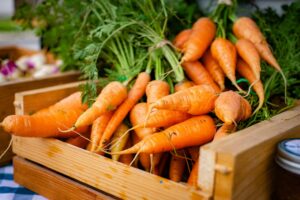
Carrots prefer cool weather for germination and early growth but require patience. The seeds are slow to sprout, particularly in cold soil, and the seedbed needs to stay consistently moist until germination happens. A floating row cover laid over the bed holds in warmth and moisture and speeds things up. The Agfabric Floating Row Cover works well here. Light enough to lay directly on the bed without hoops and reusable for multiple seasons.
A practical tip worth knowing: mix a few radish seeds into your carrot rows. The radishes germinate fast and mark the row while you wait for the carrots to emerge, then get pulled before they compete.
Expect roots in 60 to 75 days depending on variety.
Beets
Beets are cold-hardy and can be direct-seeded in mid-spring. They are ready in 50 to 60 days and give you two harvests in one: the roots and the leafy tops, which cook like chard. They do not need a lot of space and respond well to succession planting every few weeks.
A note on germination: each beet “seed” is a cluster of two to three seeds, so thinning is necessary. Do not skip it. Crowded beets produce poor roots.
Onions from Sets or Starts
Growing onions from seed is a long process. Planting sets (small immature bulbs) or transplants in early spring is the practical approach for most growers. Yellow and red varieties store well through winter. Sweeter types like Walla Walla are better eaten fresh.
Onions are low-maintenance once established and grow well in raised beds or in-ground rows. They are also a good companion plant for deterring certain pests from neighboring crops.
Brassicas: Broccoli, Cabbage, Cauliflower, Brussels Sprouts
These crops are typically started indoors four to six weeks before your last frost date and transplanted outdoors once nighttime temperatures are consistently above freezing. They thrive in cool spring conditions and are far less likely to bolt than they would be in midsummer heat.
Watch for cabbage worms and loopers early. Inspect transplants regularly for eggs on the undersides of leaves. Row covers provide reliable protection. If an infestation develops, Bacillus thuringiensis (Bt) is an organic biological option that targets caterpillars without harming beneficial insects.
Be Aware Of Pests
A few that show up regularly on spring crops:
Flea beetles are small, fast-moving black beetles that chew small holes in leafy greens. Row covers are the most effective prevention. Diatomaceous earth applied around the base of plants adds a secondary barrier.
Cabbage loopers and worms target brassicas specifically. Hand-picking works on small plantings. Bt is the reliable organic option for larger infestations.
Cutworms sever seedlings at the soil line overnight. Cardboard collars placed around transplant stems at planting stop them cold.
Aphids cluster on new growth and multiply fast. A strong stream of water knocks most of them off. Beneficial insects like ladybugs and lacewings handle the rest on their own if you avoid spraying anything that kills them. Insecticidal soap is the low-impact intervention if needed.
Slugs and snails are most active in wet spring conditions around leafy greens. Beer traps, crushed eggshells around plants, and copper tape barriers are all effective deterrents.
A Few Practical Notes
Know your frost dates. Most spring crops can handle a light frost, but a hard freeze will take out transplants that are not protected. Keep row covers on hand through the transition period. The Agfabric Floating Row Cover provides up to 4 degrees of frost protection and works across all the crops covered in this article.
Watch soil temperature rather than the calendar. Seeds germinating in cold soil either fail or establish poorly. Most spring crops want soil temperatures above 40 to 45 degrees Fahrenheit before going in. A basic soil thermometer removes the guesswork. If you have not tested your soil this season, the Luster Leaf Rapitest kit checks pH and key nutrients in about fifteen minutes and tells you whether amendments are needed before you plant.
Plant in succession. Single large plantings of lettuce, radishes, and beets all mature at once and leave you with more than you can use. Staggered plantings every two to three weeks give you a steady harvest through the season.
For a broader look at what to tackle before summer arrives, see our Spring Farm and Homestead Planning guide.
Links may be added or updated over time. They do not affect how products are selected or discussed.
Affiliate Disclosure This article may contain affiliate links. If you buy through one of those links, Working Acre may earn a small commission at no extra cost to you. Product mentions are based on usefulness, fit, and relevance to the topic.